
 Tamil
Tamil

 English
 Arabic
 Vietnamese
 Filipino
 Indonesian
 Español




 உள்நுழைய

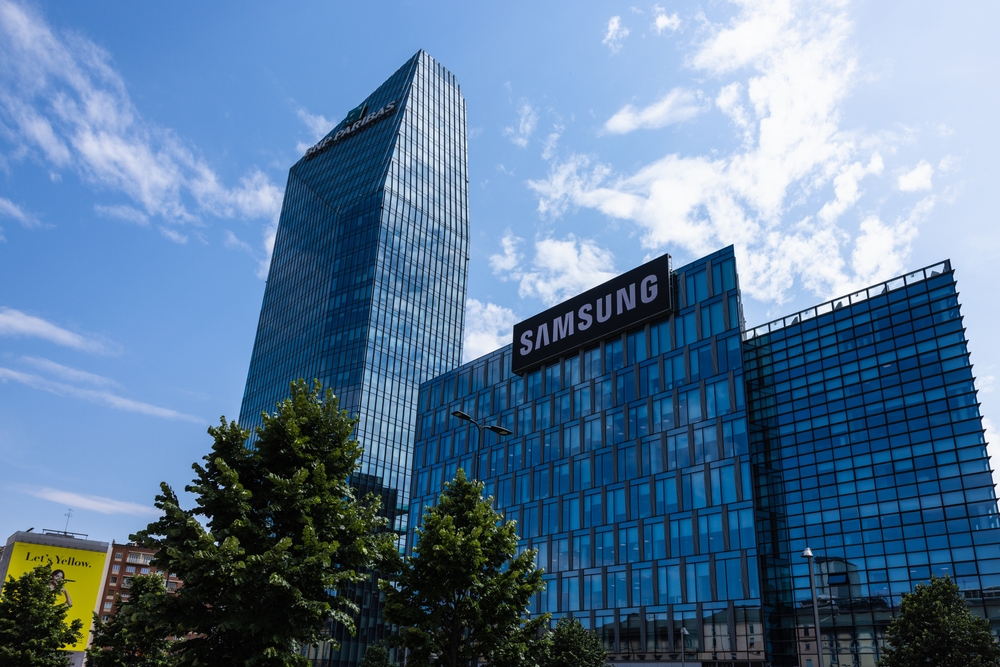
The South Korean giant plans to spend more than 110 trillion won in 2026 as it pushes deeper into AI semiconductors and tries to lock in major customers for years, not quarters.
Demand is no longer short-term
Samsung Electronics said that it plans to invest more than 110 trillion won, or about $73.24 billion, in 2026 to strengthen its position in semiconductors for artificial intelligence. One day earlier, company executives said Samsung was in talks with major customers about memory chip supply contracts lasting three to five years, which marks a clear shift away from the shorter agreements that have long defined the sector. That message matters because it shows Samsung sees AI-driven chip demand as a multi-year structural trend rather than a temporary spike.
A bigger investment cycle
The scale of the planned spending is significant because it exceeds Samsung’s total investment of 90.4 trillion won in the previous year. Of that earlier figure, 52.7 trillion won went to capital expenditure, and 37.7 trillion won went to research and development, which makes the 2026 plan a clear acceleration in both ambition and financial commitment. Samsung also said it plans to pay a regular dividend of 9.8 trillion won in 2026, signaling that it wants to keep rewarding shareholders even while entering a much heavier investment phase.
Long-term contracts become strategic
Samsung’s effort to secure three-to-five-year agreements with major clients could give the company better visibility on production planning and give customers greater certainty on supply in a tighter market. The company also pointed to rising memory chip prices, which are starting to increase costs for computer and smartphone makers and are pushing buyers to seek more stable procurement arrangements. If these longer contracts become more common, competition in semiconductors will depend less on short-term pricing swings and more on capacity, reliability, and strategic customer relationships.
More than a chip story
Samsung said it is also looking for meaningful acquisitions in robotics, medical technology, automotive electronics, and air-conditioning solutions, suggesting the group is building several future growth pillars at the same time. On the same day, Samsung Life said it would divest about 1.3 trillion won worth of Samsung Electronics shares as part of efforts tied to domestic financial regulation and risk management.
Conclusion
Samsung is no longer positioning itself only as a beneficiary of the AI boom. It is trying to shape the next phase of that boom through larger investment, tighter customer commitments, and a broader industrial strategy that reaches beyond memory chips alone. The key question is no longer whether AI demand is real, but whether Samsung can convert this spending wave into lasting leadership in one of the most important technology markets of this decade.
This marketing material is provided for informational purposes only and does not constitute investment advice, a recommendation, or an offer or solicitation to buy or sell any financial instruments.
Trading in securities involves significant risk and may not be suitable for all investors. Prices of securities may fluctuate significantly and may result in a total loss of your investment. Investors should be aware that losses may exceed potential profits when buying and selling securities. In certain market conditions, you may sustain losses that exceed your initial investment. Securities and contracts for differences are complex financial instruments that require a high level of knowledge and understanding. You should carefully consider whether you understand how these instruments work and whether you can afford to take the high risk of losing your money.